The Business of FOMO: How Starbucks Turns Holiday Drinks into Marketing Gold

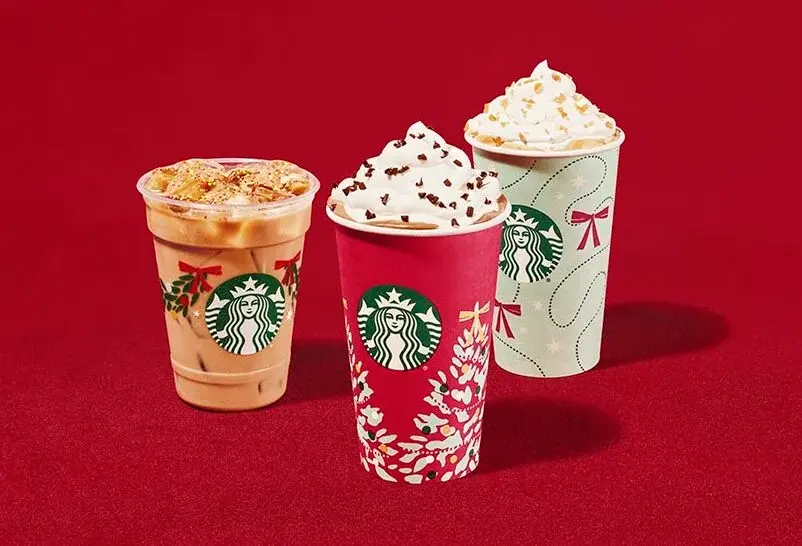
As November arrives and Christmas decorations begin appearing in shopping malls, another familiar sign of the holiday season emerges: Starbucks' Christmas menu.
From the return of the Peppermint Mocha to the introduction of festive holiday cups, Starbucks has established an annual tradition that customers eagerly anticipate. For many, ordering a seasonal drink is no longer simply about getting their daily caffeine fix. It has become part of celebrating the holiday season itself.
Buy why do people become so excited about beverages that are only available for a few weeks? And how does Starbucks consistently turn seasonal excitement into commercial success?
Behind the festive packaging and familiar flavors lies a carefully designed business strategy, consumer psychology, and the power of emotional branding. Starbucks is not merely selling holiday beverages. It is selling an experience that customers do not want to miss.
The psychology of scarcity: Why we want we can't have
One of the most effective strategies behind Starbucks' seasonal success is scarcity marketing.
In economics, scarcity refers to the limited availability of resources relative to demand. In marketing, however, businesses can deliberately create a sense of scarcity by limiting how long a product remains available. This can increase its perceived value and encourage consumers to purchase it sooner rather than later.
Consider Starbucks' holiday beverages. Customers know that drinks such as the Peppermint Mocha and Caramel Brulée Latte will not remain on the menu indefinitely. Their limited availability creates a sense of urgency: if customers want to enjoy these drinks, they have to do so before the holiday season ends.
This is closely connected to the concept of Fear of Missing Out (FOMO). Consumers may purchase something not only because they genuinely want it, but also because they do not want to miss an experience that others enjoy.
Interestingly, the same beverage might not generate the same excitement if it were available throughout the entire year. Its seasonal nature gives it an additional layer of appeal.

More than a drink: The power of nostalgia and emotional branding
Scarcity alone cannot explain why Starbucks' Christmas menu has become such a recognizable tradition. Another important factor is its ability to connect products with existing emotional associations.
For many people, Christmas represents family gatherings, familiar traditions, celebrations, and childhood memories. Starbucks taps into these associations through its seasonal flavors, festive packaging, and holiday-themed store experiences.
This is an example of emotional branding: creating a connection between a product and the feelings or experiences consumers associate with it.
Think about the difference between purchasing an ordinary coffee and purchasing a Peppermint Mocha in a festive red cup. Although both beverages serve a similar functional purpose, the seasonal version can carry additional emotional meaning. It becomes a small part of the holiday experience.
Starbucks does not need to convince customers that Christmas is exciting. That emotional connection already exists. Instead, it positions its products as another way for customers to participate in the celebrations. In other words, Starbucks sells a feeling.

Social media: When a coffee becomes a cultural trend
In today's digital environment, a successful marketing strategy extends far beyond traditional advertisements. Social media has become an important platform through which seasonal products gain popularity.
During the holiday season, platforms such as Instagram and TikTok become filled with pictures and videos of festive drinks, decorated cups, and seasonal café visits. These posts expose consumers to products they might not otherwise have considered purchasing.
This phenomenon is connect to social proof, a psychological concept in which individuals look to the actions and opinions of others when making decisions.
When consumers repeatedly see their friends, influencers, and content creators enjoying a particular product, they may perceive it as more desirable or popular. They might then feel encouraged to try it themselves.
This creates a cycle of consumer engagement. Starbucks introduces seasonal products, customers share their experiences online, and those posts expose even more people to the products. Consequently, customers become more than just buyers. They also become part of the company's marketing process.

Beyond Starbucks: The business of seasonal marketing
Starbucks is not the only company that has recognized the commercial potential of limited-time products.
Consider McDonald's McRib, which has developed a reputation for its intermittent availability. Similarly, Crumbl Cookies introduces rotating weekly flavors, encouraging customers to revisit its stores to see what is available.
Although these businesses operate in different markets, they share a common strategy: making products feel special by changing their availability or offerings.
The success of these strategies demonstrates that consumers do not always value products solely for their practical functions. Sometimes, the anticipation of a product's return can become just as important as the product itself.
However, seasonal marketing also presents a challenge. If businesses introduce too many limited-time products or rely too heavily on artificial urgency, consumers may eventually become less responsive. Maintaining excitement requires balancing familiarity with novelty.

Conclusion: Are we buying coffee or an experience?
The success of Starbucks' holiday menu reveals something interesting about consumer behavior: purchasing decisions are not always driven by practical needs.
People do not necessarily need another flavored latte or another festive cup. Yet, they continue to purchase these products because of the emotions, traditions, and experiences associated with them.
By combining scarcity marketing, nostalgia, and social proof, Starbucks has transformed seasonal beverages into something much bigger than an addition to its menu. Perhaps the real secret behind Starbucks' holiday success is not the coffee itself, but everything surrounding it.
After all, Starbucks does not have to create Christmas excitement. It simply has to give customers another reason to participate in it.


Comments